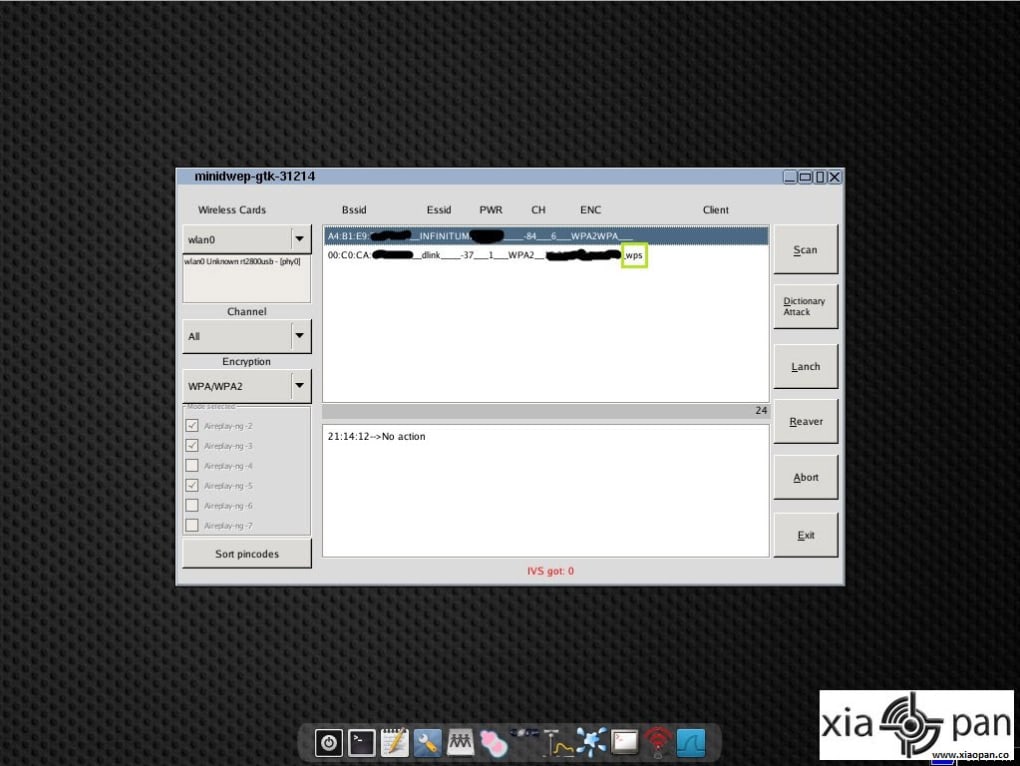

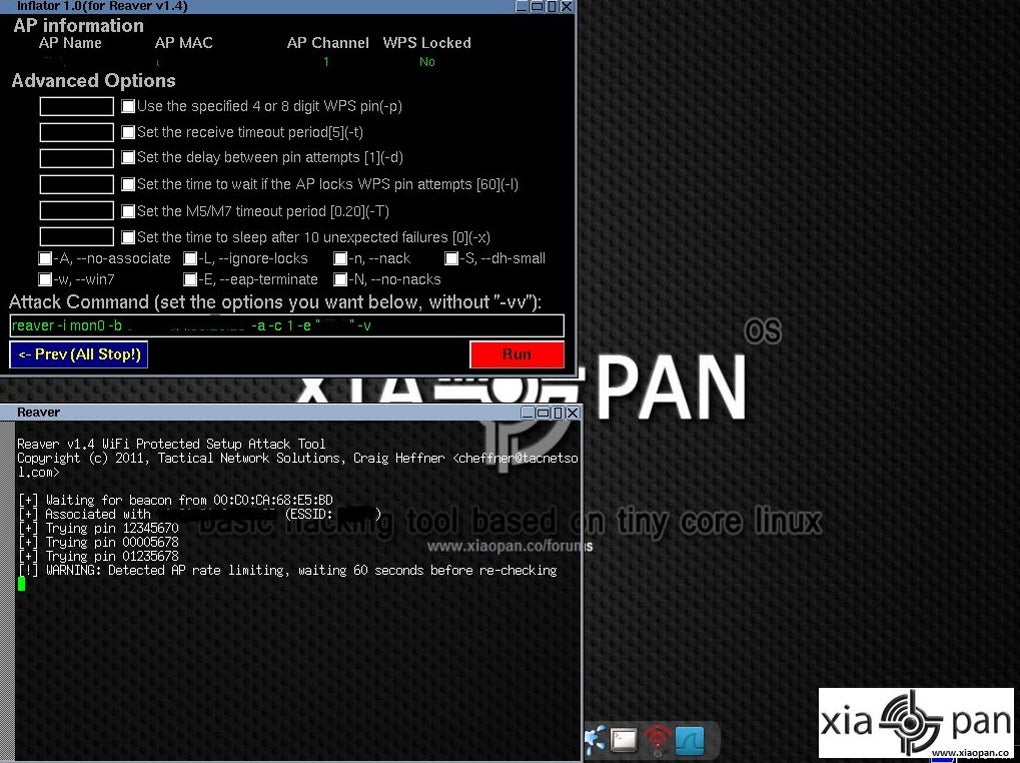

Download Xiaopan OS – Free Wireless Network Security Scanner
Overview: Why Xiaopan OS Stands Out in Wireless Security
In an era where every home, office, and public space relies on Wi‑Fi, the hidden risks of an unsecured wireless network are more threatening than ever. Xiaopan OS arrives as a free, portable application that specializes in detecting security flaws within any wireless environment. Unlike bulky desktop suites, Xiaopan OS can be installed on a USB stick or a CD, allowing security professionals and everyday users to carry a full‑featured scanner in their pocket.
Its lightweight architecture means it runs efficiently on modest hardware while delivering deep packet inspection, vulnerability checks, and real‑time alerts. Whether you’re a network administrator auditing corporate access points, a small‑business owner safeguarding customer data, or a tech‑savvy homeowner curious about the health of your router, Xiaopan OS offers a user‑friendly interface paired with powerful analytics. The software constantly updates its threat database, ensuring that emerging exploits such as KRACK, WPA3 downgrade attacks, and rogue access point signatures are recognized instantly.
Security is not just about detection; it’s about remediation. Xiaopan OS provides actionable recommendations, from changing default passwords to disabling WPS, and even offers step‑by‑step guides for patching firmware. Its open‑source roots foster transparency, and the community‑driven development model guarantees rapid response to new vulnerabilities.
In short, Xiaopan OS combines the convenience of a portable tool with the robustness of enterprise‑grade scanners, making it an indispensable ally in the fight against wireless threats.
Core Features That Make Xiaopan OS a Must‑Have Tool
- Portable Deployment: Install on USB sticks, external SSDs, or CD‑ROMs for on‑the‑go scanning.
- Comprehensive Vulnerability Database: Regularly updated signatures for WPA2, WPA3, WEP, and emerging protocol flaws.
- Real‑Time Intrusion Detection: Alerts you instantly when rogue APs, duplicate SSIDs, or suspicious traffic patterns appear.
- Deep Packet Inspection (DPI): Analyzes each packet for malformed headers, suspicious payloads, and known exploit vectors.
- Automated Reporting: Generates PDF and HTML reports with risk scores, remediation steps, and compliance checklists.
- Cross‑Platform Compatibility: Runs on Windows, macOS, and Linux without additional drivers.
- Zero‑Cost Licensing: Fully free for personal and commercial use, with optional donations to support development.
- User‑Friendly Dashboard: Graphical interface that visualizes signal strength, channel usage, and security posture.
- Command‑Line Mode: For advanced users, scripting capabilities enable automated scans across multiple networks.
- Secure Update Mechanism: Signed update packages guarantee integrity and prevent supply‑chain attacks.
Installation, Usage Instructions, and Compatibility Details
Xiaopan OS is designed with flexibility in mind. The installer is available as a single .exe for Windows, a .dmg for macOS, and a .tar.gz archive for Linux distributions. Because the application can be run from external media, you do not need administrative rights on the host machine—simply plug in your USB stick, launch the executable, and you’re ready to scan.
Step‑by‑Step Installation
- Download the appropriate bundle from the official website.
- Insert your USB drive or insert a blank CD‑ROM.
- Run the installer and select the external media as the destination path.
- Allow the installer to copy files and create a shortcut on the media’s root directory.
- When the process completes, safely eject the media.
Launching and Conducting a Scan
- Insert the media into any computer with a Wi‑Fi adapter.
- Double‑click the
XiaopanOS.exe(Windows) orXiaopanOS.app(macOS) shortcut. - The dashboard loads and automatically detects nearby wireless networks.
- Select the target network, click “Start Scan,” and watch the real‑time analysis populate.
- After the scan finishes, click “Generate Report” to export findings.
For power users, the command‑line interface can be invoked with xiaopan --scan –target , allowing integration into scheduled tasks or CI pipelines. The software supports both 2.4 GHz and 5 GHz bands, and it works with most external Wi‑Fi adapters that expose standard monitor mode capabilities. Minimum system requirements are modest: 512 MB RAM, 100 MB free disk space, and a dual‑core processor. The portable nature of Xiaopan OS means you can conduct assessments on corporate laptops, school computers, or even public kiosks without leaving a trace—no installation logs, no registry entries, and no leftover files on the host.
Pros and Cons – An Honest Review of Xiaopan OS
Pros
- Completely free with no hidden fees or trial limitations.
- Portable design eliminates the need for permanent installation.
- Extensive vulnerability database keeps pace with emerging threats.
- User‑friendly GUI makes it accessible to non‑technical users.
- Command‑line support satisfies advanced security professionals.
- Cross‑platform compatibility broadens its deployment scope.
- Secure, signed updates protect against tampering.
- Detailed reporting aids compliance and documentation.
Cons
- Requires a Wi‑Fi adapter capable of monitor mode; built‑in cards on some laptops may be limited.
- While the interface is intuitive, the depth of features may overwhelm beginners.
- No built‑in remediation tools—users must manually apply recommended fixes.
- Limited integration with third‑party SIEM platforms out of the box.
- Documentation, though comprehensive, could benefit from more video tutorials.
Overall, Xiaopan OS delivers a powerful, cost‑effective solution for wireless security assessments. Its portability and feature set make it a standout in the free‑software category, despite a few minor usability gaps that are easily addressed through community contributions.
Frequently Asked Questions (FAQ)
Is Xiaopan OS truly free for commercial use?
Yes, Xiaopan OS is released under an open‑source license that permits both personal and commercial usage without any licensing fees. Users are encouraged to contribute to the project, but there is no mandatory payment.
Can I run Xiaopan OS on a macOS machine without admin rights?
Absolutely. Because the application can be executed directly from external media, macOS does not require admin privileges to launch the scanner, provided the Wi‑Fi adapter supports monitor mode.
What types of wireless security protocols does Xiaopan OS test?
Xiaopan OS examines WEP, WPA, WPA2, WPA3, and even experimental protocols. It checks for common misconfigurations such as weak pre‑shared keys, disabled encryption, and vulnerable WPA2‑Enterprise implementations.
How often is the vulnerability database updated?
The development team releases updates weekly. The built‑in update manager verifies signatures before applying any new definitions, ensuring both freshness and integrity.
Can Xiaopan OS be integrated with existing security information and event management (SIEM) tools?
Out of the box, Xiaopan OS exports logs in JSON and CSV formats, which can be ingested by most SIEM platforms. Future releases plan native plugins for popular solutions like Splunk and ELK.
Conclusion – Secure Your Wi‑Fi with Xiaopan OS Today
Wireless networks are the lifeblood of modern connectivity, but they also present an ever‑expanding attack surface. Xiaopan OS equips you with a portable, free, and feature‑rich scanner that can be launched from virtually any computer, making it ideal for on‑site audits, remote assessments, and quick health checks. Its blend of intuitive dashboards, deep packet inspection, and automated reporting ensures that you not only discover vulnerabilities but also understand how to fix them. Whether you are a seasoned penetration tester or a home user worried about neighbors snooping on your bandwidth, Xiaopan OS provides the confidence that your Wi‑Fi is properly hardened. Don’t wait for a breach to happen—download Xiaopan OS now, run a scan, and take proactive steps to protect your digital environment.